
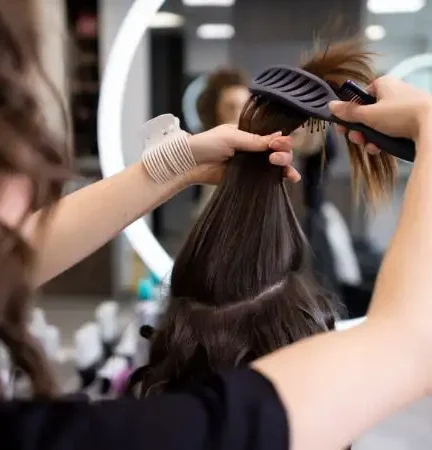
There is a reason the phrase “bad hair day” has become shorthand for everything going wrong at once. Hair is deeply personal. It frames your face, signals your mood, and quietly communicates who you are before you say a single word. Yet for most people, hair care remains reactive — a rushed blowout before a meeting, a trim when split ends become impossible to ignore, a style copied from a screenshot that never quite works in real life.
What if you treated your hair the same way you treat the rest of your lifestyle — with intention, consistency, and a little bit of joy?
The Lifestyle Connection Most People Miss
Wellness culture has spent the last decade convincing us to be deliberate about what we eat, how we move, and how we wind down. Somehow, hair rarely makes that list. But the science — and the lived experience of anyone who has ever walked out of a great salon — tells a different story.
Research on self-presentation consistently shows that how we feel about our appearance has a measurable effect on confidence, social engagement, and even productivity. Hair, as one of the most visible and changeable features we have, sits squarely at the center of that dynamic. A style that actually suits your bone structure, your natural texture, and your daily routine does not just look good. It removes a small but real source of friction from your morning and replaces it with something that feels like a quiet win.
Moving Beyond the Appointment
Intentional hair care is not about spending more money or more time. It is about spending it better. That starts with understanding your hair — its texture, its porosity, how it responds to humidity or heat — and building a routine around those realities rather than fighting them.
A few principles that stylists consistently recommend:
- Work with your natural texture, not against it. Straightening curly hair every day or attempting a blowout on a pixie cut creates unnecessary damage and daily effort. Lean into what you have.
- Invest in two or three quality products rather than twelve mediocre ones. A good hydrating shampoo, a leave-in conditioner suited to your hair type, and a heat protectant if you use tools will outperform a cluttered bathroom shelf every time.
- Schedule trims before you need them. Healthy ends are not cosmetic — they change how your hair falls, how styles hold, and how your overall look reads to the world.
- Find a stylist who listens. Not one who simply executes, but one who asks about your lifestyle, your maintenance tolerance, and what you actually want — then helps you get there.
Why the Right Salon Matters
The difference between a transactional haircut and a transformative one almost always comes down to the relationship. A great stylist functions less like a technician and more like a collaborator — someone who understands your vision, notices how your hair has changed over time, and gives you honest guidance instead of just agreement.
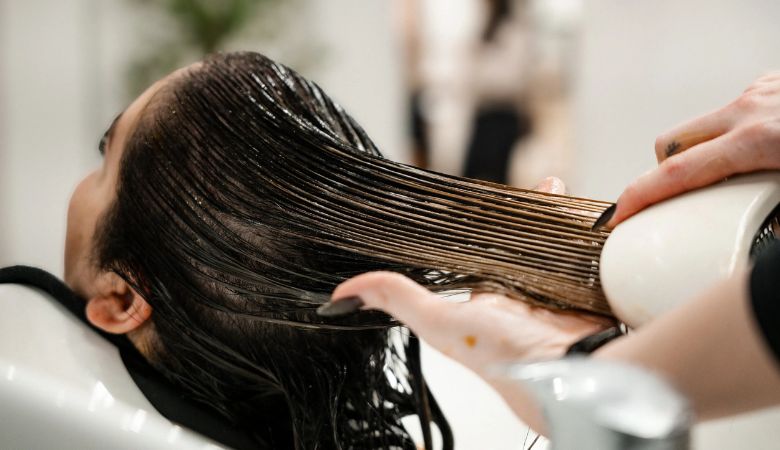
That kind of expertise is not universal. It requires training, attentiveness, and a genuine investment in the client’s outcome. For those in the Amarillo area looking for that level of care, WHITEFOX Styling has built its reputation on exactly that standard — precision cuts, thoughtful color work, and the kind of consultation that turns a single appointment into a long-term styling strategy.
Small Shifts, Real Results
Intentional living does not require a complete overhaul. It requires paying attention — noticing what is working, what is not, and making small adjustments that compound over time. Your hair is no different.
Start with one change: book a consultation rather than just a cut, switch to a shampoo formulated for your specific hair type, or simply stop fighting your natural texture and see what it does when you let it be. According to the American Academy of Dermatology, many common hair concerns — breakage, dullness, slow growth — respond well to simple, consistent care adjustments rather than dramatic interventions.
The goal is not perfection. It is a hair routine that fits your actual life and makes you feel like yourself on a Tuesday morning, not just when you have somewhere important to be. Because that, in the end, is what lifestyle is really about.