
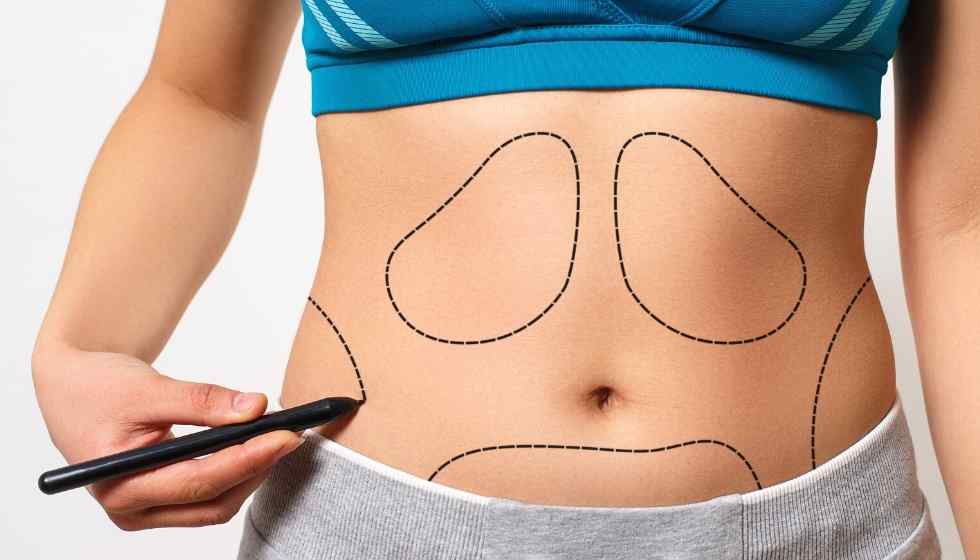
To lose weight, people follow the easy equation of eating well and exercising daily. Nevertheless, the theory of simple weight loss is just possible for many. By 2025, doctors also clearly state that weight loss is not the same as fat removal, and results vary from person to person. Liposuction is the alternative; others opt for weight loss by paying liposuction specialists.
Today, liposuction is mainly promoted as a body-contouring solution, not a substitute for diet, exercise, or long-term weight management.
What is Liposuction
Liposuction is a body-sculpting procedure that flatters your shape by removing fat deposits from specific areas of the body. In 2025, it is commonly combined with advanced fat-removal and skin-tightening technologies to improve contour results.
Liposuction is only minimally invasive, but there are, however, unusual risks associated. Before you draw any conclusions about having liposuction, it’s essential to understand those risks and have realistic expectations.
The most basic liposuction technique is tumescent liposuction. In this method, a plastic surgeon uses an instrument called a cannula to suction excess fat from specified areas of your body. This process is transferred out under anesthesia. A standard tumescent liposuction method necessitates an hour or less. Even in 2025, this technique remains the gold standard because of its safety profile, reduced bleeding, and quicker recovery.
One of the reasons liposuction is such an appealing plan to many patients is that it is a regularly produced system with an excellent security record. Recent studies and modern monitoring systems have further reduced complication rates, making the procedure safer than it was a decade ago. Serious difficulties from a liposuction procedure are very rare when done correctly.
Liposuction (liposuccion) is even more protected when you want a board-certified surgeon to complete the procedure. In 2025, certification, use of accredited surgical centers, and modern imaging tools play a major role in patient safety. The skill and expertise of your doctor play a large role in defining the odds of encountering difficulties after a corrective procedure.
Although some opt for liposuction due to health matters, for the most part, vanity sends people to board-certified surgeons for liposuction. Today, many patients also seek liposuction after weight loss or pregnancy to improve body shape rather than to reduce overall body weight.
Side Effects and Risks of Liposuction You Should Know
Every surgery has the risk of infection. Liposuction is no different. However, improved sterile techniques, antibiotics, and post-care protocols in 2025 have lowered infection risks further.
1. Allergy or Toxicity
The anesthetic utilized in liposuction is typically lidocaine. A small number of people (fewer than 1%) risk having an allergic reaction to lidocaine. There’s also a little risk of having a non-allergic toxic effect. Modern dosage calculations and real-time patient monitoring now help surgeons detect toxicity earlier than before. If a patient does have a negative reaction to lidocaine, they are provided drugs to prevent the toxic effects.
2. Risk of Internal Organ Injury During Liposuction
The tube (cannula) managed to remove the fat from the body but could comprehend too intensely and penetrate an inner organ, which may need crisis surgical repair. In 2025, ultrasound guidance and refined cannula designs have reduced this risk, but it still exists.
3. Damage of Deep Tissues
If a cannula enters too intensely, it may destroy the tissue around the plastic surgery site. This damage could harm nerves, blood vessels, or muscles, depending on the operation site. In some instances, the lungs or other abdominal muscles may be affected. Surgeons now use safer depth-control techniques, but patient anatomy still plays a role.
4. Possible Kidney, Heart, and Lung Complications
You can risk life-threatening kidney, heart, and lung difficulties because of the radical difference in fluid levels in the body through the surgical plan. In 2025, strict fluid management protocols and patient screening help lower these risks, especially for people with existing medical conditions.
5. Thermal Burn
This risk depends on whether you are undergoing ultrasound-assisted liposuction or laser-assisted liposuction. In certain systems, ultrasound or laser energy is used to melt the fat partly. This method makes it more comfortable to remove. The cannula used in these cosmetic procedures can become very hot during the process. Newer devices now include temperature control systems, but burns and sores can still occur if the equipment is misused.
6. Skin Pigmentation and Long-Term Marks After Liposuction
Cannula devastation caused by liposuction surgery may start with small pigment points on the skin. These are usually permanent but, in some instances, fade over time. Post-procedure skin treatments and modern aftercare can reduce visibility, but results vary.
Though liposuction may look like a cure for deformed extra skin or flab, patients should know the risks of this method before binding to this surgery. Doctors in 2025 clearly explain that liposuction does not tighten loose skin unless combined with additional procedures.
As with any other surgical system, the usual risks of infection, blood loss, irreversible damage, and, eventually, death are eternally possible. Choosing an experienced surgeon, following aftercare instructions, and maintaining a healthy lifestyle remain essential for safe outcomes.
Keep these important points in mind before proceeding with liposuction (liposuccion):
- Liposuction is not a weight-loss treatment
- Results vary by individual health and body type
- Must be done by a board-certified surgeon
- Risks are real and disclosed
- No exaggerated promises
FAQ
Yes, liposuction is generally safe in 2025 when performed by a board-certified plastic surgeon in an accredited facility. Modern equipment, better monitoring, and improved aftercare have reduced risks, but no surgery is completely risk-free.
No. Liposuction is not a weight-loss method. It removes stubborn fat from specific areas but does not replace diet, exercise, or healthy habits. Doctors now clearly define it as a body-contouring procedure.
In 2025, common methods include tumescent liposuction, laser-assisted liposuction, and ultrasound-assisted liposuction. Some clinics also combine liposuction with skin-tightening treatments for better shape.
Most patients return to light activities within a few days. Full recovery may take several weeks, depending on the treated area, technique used, and individual healing ability.
Fat cells removed through liposuction do not grow back. However, remaining fat cells can expand if you gain weight. Maintaining a healthy lifestyle is important for long-term results.
People with serious heart problems, kidney disease, poor skin elasticity, or uncontrolled medical conditions may not be suitable candidates. A medical evaluation is necessary before surgery.
Liposuction alone does not tighten loose skin. In 2025, some doctors combine it with skin-tightening procedures, but results depend on age, skin quality, and technique used.
This article is for informational purposes only and does not substitute professional medical advice.