

Pain in your back or side does not always come from your kidneys. Muscle strain, nerve pain, stomach problems, kidney stones, and urinary infections can all lead to pain in this area.
If you have pain near your kidney area, first look at your other symptoms.
- Pain with fever
- Chills
- Painful urination
- Blood in your urine
- Nausea, or vomiting,
Needs medical attention. A kidney infection can become serious if it is not treated.
Home care may help with comfort in some cases. However, it should not replace medical care when a stone or infection is suspected.
What Does Kidney Pain Feel Like?
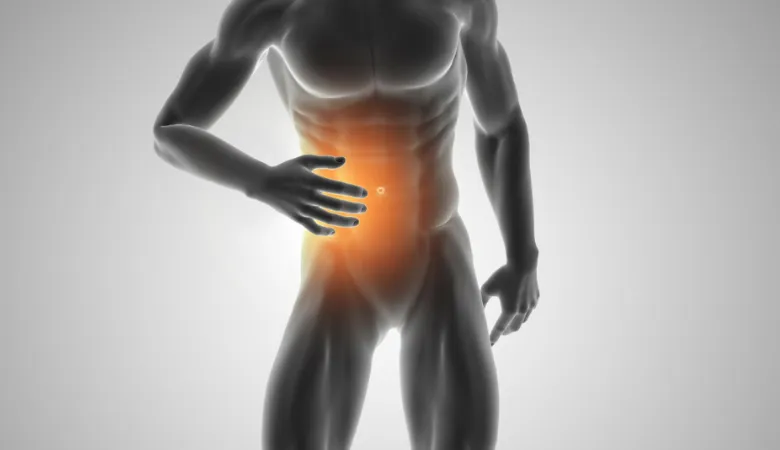
Kidney pain is often felt in the side of your back, below the ribs. It can also extend toward your lower belly or groin.
A kidney stone may cause sharp pain that comes and goes. You may also find blood in your urine. A kidney infection can cause pain with fever, chills, painful urination, nausea, or vomiting.
This is why the location of pain alone is not enough to find the cause.
Your doctor may use a urine test, blood test, or scan to find the cause. These tests can help tell a stone from an infection or another problem.
What to Intake to Keep a Kidney Healthy
Drink Enough Water
Water is one of the most useful steps for people who are more susceptible to kidney stones.
When you drink enough fluid, your urine becomes more diluted. This can help reduce the build up of minerals that may form stones. Water is usually the best choice.
However, do not force large amounts of water when you are already feeling sick or are vomiting. People with kidney failure, heart disease, or other conditions may also need a different fluid limit.
Your doctor can tell you how much fluid is right for you.
Also, drinking water does not immediately remove every cause of pain. A large stone may block urine flow and may need medical treatment.
Try Lemon Water for Stone Prevention
Fresh lemon juice can be a useful alternative to your diet if you are trying to prevent some types of kidney stones.
Citrus drinks contain citrate. Citrate can help stop crystals from joining together and forming stones. The National Institute of Diabetes and Digestive and Kidney Diseases notes that citrus drinks such as lemonade and orange juice may help prevent kidney stones.
You can add fresh lemon juice to a glass of water. Choose a drink with little or no added sugar.
However, lemon water should not be used as a way to dissolve every stone. The type, size, and location of a stone matter. Treatment is chosen based on these factors.
Do Herbal Teas Treat Kidney Pain?
Dandelion tea, watermelon seed tea, and celery seed tea are often promoted online as natural kidney cleansers. However, there is not enough good evidence to say that these drinks can treat a kidney infection or remove a kidney stone.
A drink may make you urinate more, but that does not mean it has cured the cause of your pain.
What About Dandelion Tea?
Dandelion has been used in traditional health practices for many years. It is sometimes promoted as a natural diuretic.
However, more urination does not mean that an infection has been cured or that a stone has been removed.
If you have pain, fever, blood in your urine, or painful urination, do not rely on dandelion tea. A kidney infection is usually caused by bacteria and may need antibiotics.
What About Watermelon Seed Tea?
Watermelon seeds can be eaten as part of a normal diet. However, there is not enough reliable evidence to recommend watermelon seed tea as a treatment for kidney pain.
You should also avoid the idea that a tea can simply clean your kidneys. Your kidneys already remove waste and extra fluid from your blood.
If your pain is caused by a stone, the stone may need to pass on its own or be medically managed by a health professional. Larger stones or stones that block urine flow may require treatment.
When Can Home Care Help?
Simple home care may be useful when your doctor has already found the cause and has told you that home care is suitable.
For example, a person with a small stone may be recommended to drink enough fluid while waiting for the stone to pass. Pain medicine may also be prescribed when needed.
You can also focus on healthy habits that may lower the risk of future stones. Drinking enough water is important. Your diet may also need changes based on the type of stone you have had.
For example, sodium, animal protein, calcium, and oxalate may need to be reviewed in some people.
Do Not Treat a Kidney Infection With Home Remedies
A kidney infection is not the same as simple back pain. It is a urinary infection that can move from the bladder to the kidneys. Bacteria are the most common cause.
If your doctor detects a bacterial kidney infection, antibiotics are normally used. Some people may need antibiotics through a vein if they are very ill.
Drinking water can help you stay hydrated, but it does not replace antibiotics when they are needed.
You should also complete the antibiotic course exactly as your doctor tells you. Stopping treatment early can make infection harder to treat.
Warning Signs You Should Not Ignore
You should seek medical care quickly if you have:
- Fever or chills with back or side pain
- Painful or frequent urination
- Blood in your urine
- Severe pain
- Nausea or repeated vomiting
- Very little urine
- Confusion or unusual weakness
- Pain that is getting worse
A kidney infection can rarely lead to sepsis, which is a medical emergency.
A blocked urinary tract can also become serious, especially when an infection is present. Larger stones that cause severe pain or block urine flow may need urgent treatment.
How Doctors Find the Cause
Your symptoms alone may not tell you why you have pain.
A doctor may ask about your pain, urine changes, fever, previous stones, medicines, and other health problems.
A urine test can look for blood and signs of infection. A urine culture can help identify bacteria. Blood tests may also be used. In some cases, imaging such as a CT scan or another scan is needed.
This is much safer than trying several home remedies and waiting for the pain to disappear.
How to Reduce Your Future Risk
If you have had a kidney stone before, prevention is important.
Drink enough fluid unless your doctor has told you to limit your fluid intake. Water should make up a large part of your daily fluid intake.
You should also ask what type of stone you had. Different stones can require different diet changes.
Reducing excess salt may help some people. Your doctor or dietitian may also review your daily consumption of animal protein, calcium, and foods high in oxalate.
If you have repeated stones, your doctor may suggest urine tests to look at mineral levels and urine volume. This can help create a more useful prevention plan.
A simple note to the readers: This article is for general information. It does not replace a medical diagnosis or treatment plan. If you have severe symptoms or think you may have a kidney infection or blocked stone, seek medical care right away.