
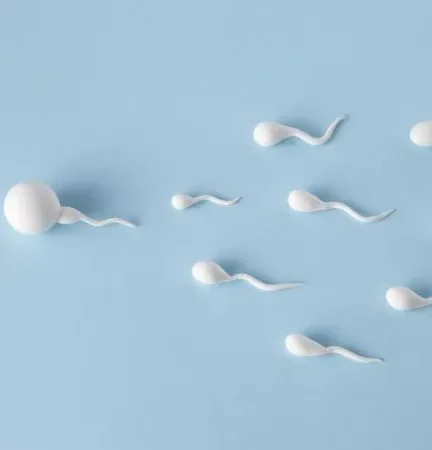
Having less than the typical 15M/mL of sperm is called Oligozoospermia (Oligospermia); it does not indicate that the male is infertile, but it can matter.
Male infertility refers to a male’s inability to achieve pregnancy in a fertile female. Thus Oligospermia can be a cause if the sperm cells are inadequate.
If an oligospermia male has generally fathered a child, he is deemed fertile; otherwise, the corresponding state will be recognized as a cause of infertility.
What is Oligospermia?
Oligospermia is a medical condition detected in men, which a low sperm count defines in their semen. To impregnate a woman, a healthy quantity of sperm in a man’s semen is regularly needed.
As said by the WHO (World Health Organization) in the year 2009, if the sperm count is fewer than 15 million sperm per milliliter (mL), then the situation is called “oligospermia.”
Oligospermia can be grouped into three categories:
1. Mild Oligospermia: When the sperm count is between 10 and 15 million sperm/mL.
2. Moderate Oligospermia: It is diagnosed when the sperm count lies between 5 and 10 million sperm/mL.
3. Severe Oligospermia: When the sperm count is between 0 and 5 million sperm/mL.
Low Sperm Count – Oligospermia
Low sperm count indicates that the men’s fluid semen you ejaculate throughout an orgasm includes fewer sperm than average.
A low sperm count is likewise called “oligospermia.” A complete absence of sperm is called azoospermia. Your sperm count is estimated to be lower than average if you have less than 15 million sperm per milliliter of semen.
Having a low sperm count reduces the chances that one of your sperm will generate your partner’s egg, resulting in pregnancy. Nevertheless, several men who have a low sperm count are yet capable of fathering a child.
How to Increase Sperm Count
Based on several current World Health Organization (WHO) guidelines, specialists analyze a healthful sperm count to be 15 million per milliliter (ml), or at least 39 million per ejaculate.
Some lifestyle options and natural medications can further improve the hormones that regulate sperm production, which may support the healthy growth of sperm and increase sperm count.
To increase your sperm count, you have to maintain a healthy body mentally and physically.
Researchers have discovered that men who used antioxidants in addition to form had less DNA-damaged sperm than men who did not use these supplements. Also, couples had greater pregnancy movements when men took added antioxidants.
If you need to have a child, you want to have sex throughout the time of ovulation, but possessing regular sex during the month can increase your fertility.
Some study has recommended that consuming a lot of soy could have harmful impacts on fertility, and the issues have mainly been mixed.
Pick lean origins of protein like fish and chicken, lots of fresh veggies and fruits, good fats like olive oil and nuts, and whole grains.
Numerous research studies have recommended that weight loss and exercise among people with higher weight or obesity can drive an enhanced or increased sperm count. However, the science connecting a healthy body mass index (BMI) to a healthy sperm count is low.
Causes of Oligospermia
There are several causes of oligospermia; read below for reasons:
- Varicocele – a swelling of the veins that drain the testicle.
- Infection that conflicts with sperm generation or sperm health.
- Ejaculation difficulties such as retrograde ejaculation, reversed into the bladder.
- Several medications: alpha-blockers, finasteride, and antiandrogens.
- Ancestral conditions: Y-chromosome deletions, modified chromosomes.
- Hormonal imbalance: low testosterone and raised prolactin levels.
- Undescended testicles.
- Continued tension.
- Medical problems such as various sclerosis, diabetes, or thyroid dysfunctions.
- Heat exposure: hot tubs, baths, saunas.
- Recreational pills Alcohol, cocaine, and marijuana.
- Anabolic steroid usage.
Symptoms
The principal symptom of low sperm count is the failure to perceive a child. There may be no other noticeable signs or symptoms.
In some men, an underlying difficulty such as an obtained chromosomal irregularity, a hormonal imbalance, increased testicular veins, or a state that blocks the passage of sperm may produce signs and symptoms.
- Swelling, discomfort, or lump in testis.
- Thick discharge.
- If this difficulty happens due to the transmission of a virus, then one can feel some painful feeling while peeing.
- Sexual functioning concerns like the failure to sustain an erection during sexual intercourse or erectile dysfunction.
- Low facial and body hair growth and another indication of chromosomal abnormalities and hormonal irregularities.
- Developed and swollen veins in the scrotum.