


Severe deterioration of liver function, or liver failure, is due to a disease or a substance that damages the liver. It no longer functions well, which causes many complications for the person suffering from it.
Liver failure can be chronic and develop over the years. It can also be acute and be accompanied by neurological manifestations (this condition is called fulminant hepatitis). In all cases, it is a medical emergency because the patient’s state of health can deteriorate rapidly.
Located in the upper right part of the abdomen, the liver is an organ essential to the proper functioning of the body. Its missions are to:
- Metabolize most of the nutrients in the foods we eat that are absorbed through the intestines;
- Synthesize proteins and break down toxins and waste from the body (alcohol, medications, chemical substances, etc.) and then evacuate through stools and urine;
- Generate a digestive juice called bile or produce many essential substances, especially those that allow the blood to clot in the event of a hemorrhage.
Like all other organs, the liver’s functioning can be disrupted by several disorders. We speak of liver failure when it is affected by a significant imbalance: the condition causes a certain number of symptoms that can affect the quality of life of the person concerned.
How can this liver failure be recognized? What are its main causes, and what treatment should be put in place quickly to stop this pathology? Can liver failure be prevented by taking care of your liver on a daily basis? Read this detailed article about liver failure.
Definition: What is Liver Failure?
Liver failure refers to poor liver function: not only does its functional mass decrease (this can be due to the destruction of liver cells called “hepatocytes”), but also a large part of its functions are impaired.
The consequences on the liver are then significant, but they also affect all the organs: coagulation disorder, increased heart rate and output, encephalopathy, kidney disorders, immune system deficiency, metabolic disorders (metabolic acidosis), pulmonary edema, etc.
In the event of acute liver failure (major deterioration in the patient’s state of health in a few days to a few weeks, when the liver was previously fine), the patient’s prognosis can quickly be compromised. The liver damage can be fatal; sometimes, a liver transplant is necessary to save the patient.
Liver Disease: Acute or Chronic Failure—What’s the Difference?
Liver damage can develop in a few days (in this case, it is acute, in reaction to sudden poisoning – paracetamol, for example) or over several years; in this case, it is called “chronic” and occurs as a consequence of the development of certain diseases (viral hepatitis, cirrhosis of the liver, cancers, etc.).
The severity of liver failure is assessed using the prothrombin rate (PT), which measures liver function: if this rate is less than 50%, we speak of severe acute hepatitis. If the patient also shows signs of neurological damage, it is fulminant hepatitis, also called “hepatic encephalopathy”: it includes a set of serious disorders leading to coma.
Viral hepatitis, especially hepatitis B and hepatitis C, is also a leading cause of liver failure in countries with poor sanitation.
What Causes Liver Failure?
Liver failure occurs when a large part of the liver is damaged.
The organ can be damaged by diseases such as the following:
- Viral hepatitis (most often hepatitis B or C, but also A or E): swelling of the liver caused by a virus.
- Other viral pathologies such as cytomegalovirus, Epstein-Barr virus, herpes simplex virus, parvovirus B19, human herpesvirus 6, varicella-zoster virus, and viruses that cause hemorrhagic fevers.
- Cirrhosis (liver disease in which normal liver tissue is replaced by scar tissue): liver damage caused by alcohol, often in the terminal stage.
But also by the abuse of certain substances such as the following:
- Alcohol
- Medicines or toxins (paracetamol in particular, which causes poisoning, but also amoxicillin/clavulanic acid, halothane, isoniazid, NSAIDs – non-steroidal anti-inflammatory drugs—or the mushroom Amanita phalloides)
- Drugs
Viral hepatitis is usually the most common cause in countries with poor sanitation. In countries with good sanitation systems, we more often encounter toxins.
There are also other less common causes:
- Vascular disorders
- Metabolic disorders
- Autoimmune hepatitis
- An immunological disorder
- A hereditary disease (such as a buildup of copper in the body)
- Poor vascularization of the liver (heart dysfunction, blood clot in a vessel that drains the liver)
Finally, it happens that no cause is found (in 20% of cases).
Liver Disease and Symptoms: What are the Signs?
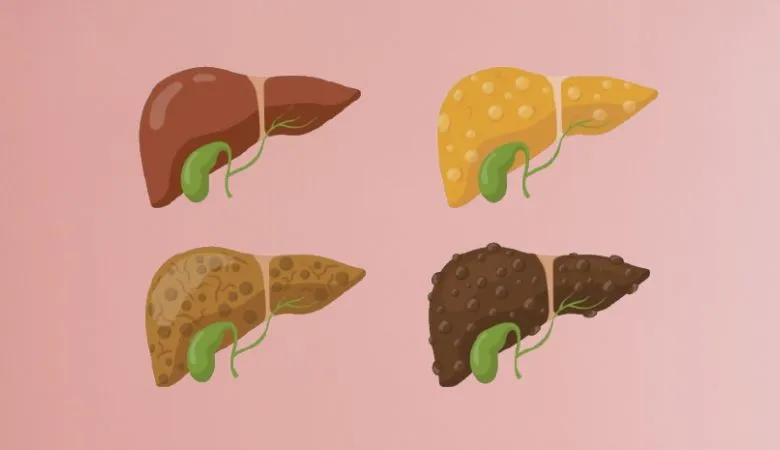
Liver functions are impaired, which results in clinical signs:
- Jaundice (yellowing of the skin and eyes due to the accumulation of bilirubin under the skin, not metabolized by the liver)
- Stellate angiomas (small, visible star-shaped vessels on the skin)
- Extreme tiredness, weakness or nausea
- Bad breath
- Increased abdominal volume (due to the appearance of water, called ascites, in the peritoneal cavity)
- Bruising and bleeding (due to poor blood clotting secondary to liver dysfunction)
- Tachycardia, tachypnea, hypotension
- Tendency to get infections due to a lowered immune system
Prevention of liver disorders is based on reducing risk factors, including limiting alcohol consumption and preventing viral hepatitis. In cancer patients, particularly those undergoing chemotherapy, the risk of liver failure is increased due to the central role of the liver in the metabolism of anticancer treatments.
How to Cure Liver Failure
Liver failure is a serious health condition that happens when the liver stops working properly. The liver is one of the most important organs in the body because it helps remove toxins, digest food, and store energy.
There is no single “quick cure” for liver failure, but treatment varies depending on the cause and stage of the condition. Doctors may recommend medicines, lifestyle changes, or, in severe cases, a liver transplant.
Here are a couple of important methods to control and improve liver health:
- Avoid alcohol completely
- Eat healthy foods like fruits, vegetables, and whole grains
- Drink enough water daily
- Avoid smoking and harmful drugs
- Keep a healthy body weight
- Follow the doctor’s guidance and take medicines regularly
Treating the main cause can help slow down liver damage. Regular checkups and blood tests are also important to monitor liver function.
People should never ignore liver-related symptoms. Early diagnosis can improve the chances of recovery and help prevent any serious complications. If a person experiences severe pain, heavy swelling, or confusion, they should seek medical help immediately.
Taking care of the liver through a healthy lifestyle, proper diet, and medical treatment can support healthier liver function and improve overall health.