
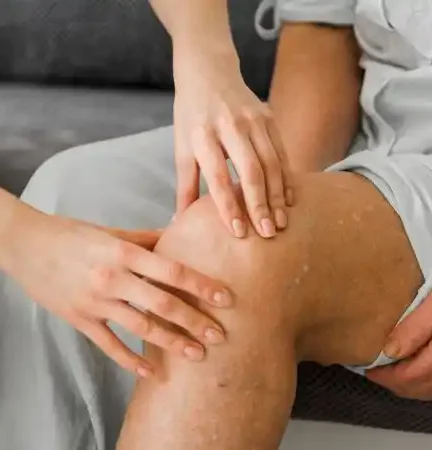
Varicose veins are a common vascular condition characterized by swollen, twisted veins that often appear blue or purple beneath the skin’s surface. While varicose veins can be unsightly and uncomfortable, certain lifestyle modifications, including regular exercise, can help prevent their development and alleviate symptoms.
In this article, we’ll explore various exercises specifically designed to promote healthy circulation and prevent varicose veins. Whether you’re looking to reduce your risk of varicose veins or manage existing symptoms, incorporating these exercises into your routine can support overall vein health and well-being.
What Causes Varicose Veins?
Inside your veins are tiny, one-way valves. Think of them like little gates that open to let blood flow up toward your heart and then quickly close to prevent the blood from flowing backward.
Varicose veins occur when these tiny valves become weak or damaged.
- In a healthy vein: The normal valve ensures a steady, upward, normal blood flow.
- In a damaged vein: The valve fails to close properly. This causes abnormal blood flow where the blood flows backward and pools in the vein.
Over time, the pooled blood stretches the vein walls. The vein becomes swollen, enlarged, and twisted, eventually bulging out under the skin as a varicose vein.
Common Risk Factors of Varicose veins
While the underlying cause is always a weak or broken valve, certain factors make a person much more likely to develop this condition:
- Prolonged Standing or Sitting: Remaining in one position for long periods forces your veins to work much harder to pump blood upward.
- Age: As you get older, your veins naturally lose elasticity, and the valves inside them begin to wear out.
- Genetics: If your parents or close family members have varicose veins, there is a much higher chance you will get them too.
- Pregnancy: The volume of blood in the body increases dramatically during pregnancy to support the baby. This volume, combined with the physical pressure of the growing uterus on the pelvic veins, puts extra stress on leg veins.
- Weight: Carrying extra body weight places increased pressure on your abdomen and legs, making it harder for blood to travel back up to the heart.
How to Cure Varicose Veins
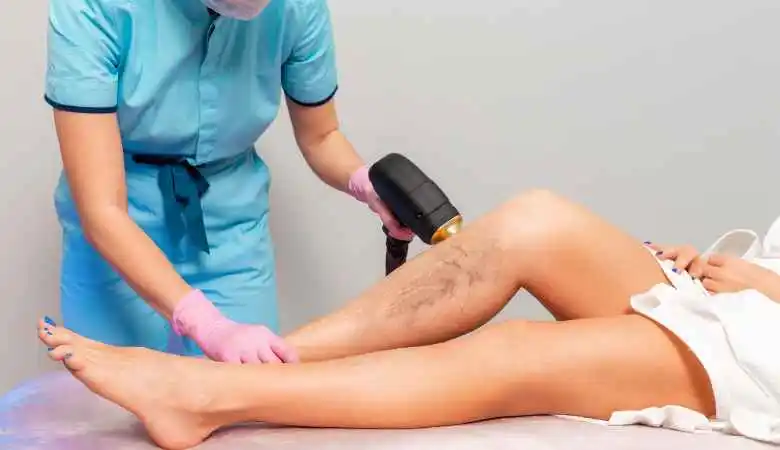
Walking:
Walking is one of the simplest yet most effective exercises for promoting circulation and preventing varicose veins. Aim to incorporate brisk walking into your daily routine, whether it’s a morning stroll, lunchtime walk, or evening walk around the neighborhood. Walking helps engage the calf muscles, which act as natural pumps, aiding in the circulation of blood from the legs back to the heart. Additionally, walking helps maintain a healthy body weight. It reduces the risk of obesity, a known risk factor for varicose veins.
Cycling:
Cycling is a low-impact cardiovascular exercise that can improve blood flow and strengthen the leg muscles without placing excessive strain on the joints. Whether you prefer outdoor cycling or stationary biking at the gym, regular cycling can help prevent varicose veins by promoting circulation and reducing venous pressure in the legs. Aim for at least 30 minutes of cycling several times a week to reap the benefits for your vein health.
Swimming:
Swimming is an excellent full-body workout that offers the added benefit of buoyancy, reducing the impact on the joints while promoting cardiovascular health. Water-based exercises like swimming, water aerobics, or aqua jogging are particularly beneficial for individuals with varicose veins, as the hydrostatic pressure of water helps improve circulation and reduces swelling in the legs. Consider incorporating swimming sessions into your weekly routine to strengthen your muscles and support healthy vein function.
Leg Elevation:
Leg elevation exercises can help alleviate symptoms of varicose veins by reducing swelling and improving blood flow back to the heart. To perform leg elevation exercises, lie flat on your back with your legs elevated above heart level, either by propping them up on pillows or against a wall. Hold this position for 10-15 minutes several times a day to promote venous return and relieve pressure on the lower extremities. Leg elevation can also be incorporated into your bedtime routine to help prevent nighttime swelling and discomfort.
Calf Raises:
Calf raises are a simple yet effective exercise for strengthening the calf muscles and improving circulation in the lower legs. To perform calf raises:
- Stand with your feet hip-width apart and slowly rise onto your tiptoes, lifting your heels as high as possible.
- Hold this position for a few seconds, then lower your heels back down to the ground.
- Repeat for 10-15 repetitions, gradually increasing the intensity as your strength improves.
Calf raises can be done anywhere, making them an ideal exercise for promoting vein health throughout the day.
Yoga:
Yoga is a gentle form of exercise that combines stretching, strength-building, and relaxation techniques to promote overall well-being. Certain yoga poses, such as the legs-up-the-wall pose (Viparita Karani) and mountain pose (Tadasana), can help improve circulation, reduce swelling, and alleviate symptoms of varicose veins. Incorporating yoga into your regular exercise routine can also help relieve stress, which is another contributing factor to vein issues. Practice yoga poses that focus on gentle stretching and strengthening of the legs and lower body to support healthy vein function.
Conclusion
In conclusion, regular exercise plays a crucial role in preventing varicose veins and promoting overall vein health. By incorporating a variety of exercises into your routine, including walking, cycling, swimming, leg elevation, calf raises, and yoga, you can improve circulation, strengthen leg muscles, and reduce the risk of developing varicose veins.